24 Hours to Improving garage door repairs helensvale
How to Ensure Garage Door Repair Meets Safety Compliance in 2025?
Your garage door is a critical component of your home’s security and functionality, but ensuring it operates safely requires adherence to strict safety standards and compliance regulations. Whether you're a homeowner, property manager, or technician, understanding how to perform or oversee garage door repairs that meet regulatory requirements is essential for accident prevention and liability reduction.
What Are the Key Safety Standards and Compliance Regulations for Garage Door Repairs?
Garage door repair must align with established safety standards and compliance regulations to guarantee both operational safety and legal conformity. Many countries and regions adopt specific regulatory guidelines such as the AS/NZS standards in Australia, which outline the minimum requirements for garage door installations and repairs.
Adhering to installation codes ensures that repairs maintain the structural integrity and safe operation prescribed by manufacturers and authorities. This includes following proper procedures for spring tension adjustments, wiring installation, and sensor positioning.
Repairs that comply with these codes also preserve the manufacturer warranty, protecting homeowners from voiding coverage due to improper work. Furthermore, electrical safety is paramount during repairs involving motors and control panels to prevent hazards such as shocks or fires.
Ultimately, compliance reduces liability risks and prevents accidents resulting from mechanical failure or electrical faults. Engaging technicians knowledgeable about current codes and standards helps guarantee these outcomes.
What Are Essential Safety Checklist Items to Inspect During Garage Door Repair?
A comprehensive inspection checklist guides safe and compliant garage door repair. Key items include:
- Spring tension: Carefully inspect torsion and extension springs for wear, corrosion, and correct tension settings to avoid dangerous failures.
- Sensor alignment: Verify photoelectric sensors and automatic reverse systems are properly aligned and fully functional to detect obstructions and stop door movement.
- Door balance: Check mechanical parts such as hinges and rollers for smooth operation and fatigue, ensuring the door opens and closes with minimal strain.
- Wiring integrity: Examine all electrical wiring and control panel connections for damage or loose contacts that could compromise safety or function.
- Locking mechanisms: Test manual locks and automatic locking features for secure engagement and reliable manual override operation in emergencies.
Following this checklist during repairs improves operational safety and helps meet compliance regulations effectively.
How Can Technician Certification and Safety Training Impact Repair Quality?
Hiring a certified technician with up-to-date safety training significantly enhances repair quality and compliance assurance. Certified professionals possess specialized knowledge about the latest regulatory guidelines, risk assessment methods, and repair best practices.
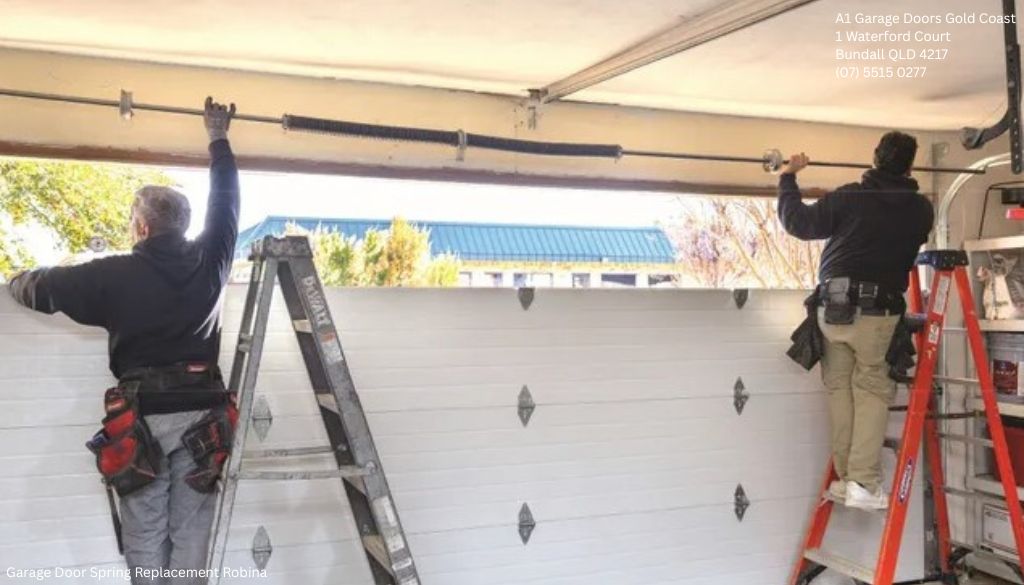
During repairs, certified technicians use appropriate protective gloves and tools to safeguard themselves while identifying potential hazards early. They conduct thorough hazard identification and risk assessments before beginning work, which helps prevent accidents and property damage.
Professionally trained personnel are adept at properly adjusting spring tension, maintaining electrical safety, and ensuring sensor and safety switch functionality—all within mandated compliance frameworks. This expertise fosters accident prevention and provides peace of mind to homeowners and property managers.
What Maintenance Practices Support Ongoing Garage Door Safety Compliance?
Maintaining safety compliance after repair requires a structured maintenance schedule incorporating routine checks and professional inspections. Key practices include:
garage door repairs helensvale- Conducting an annual inspection to identify and address wear on springs, cables, brackets, and other mechanical parts.
- Performing comprehensive safety audits that include durability testing and load testing to assess structural integrity and operational forces.
- Regularly verifying emergency devices such as the emergency release mechanism and safety cables to ensure they function correctly under stress.
- Inspecting safety brackets and cable attachments to confirm secure mounting and prevent catastrophic failures.
Adhering to these maintenance routines extends the lifespan of your garage door system while maintaining stringent safety standards.
How to Safely Handle Spring Repairs and Tension Adjustments?
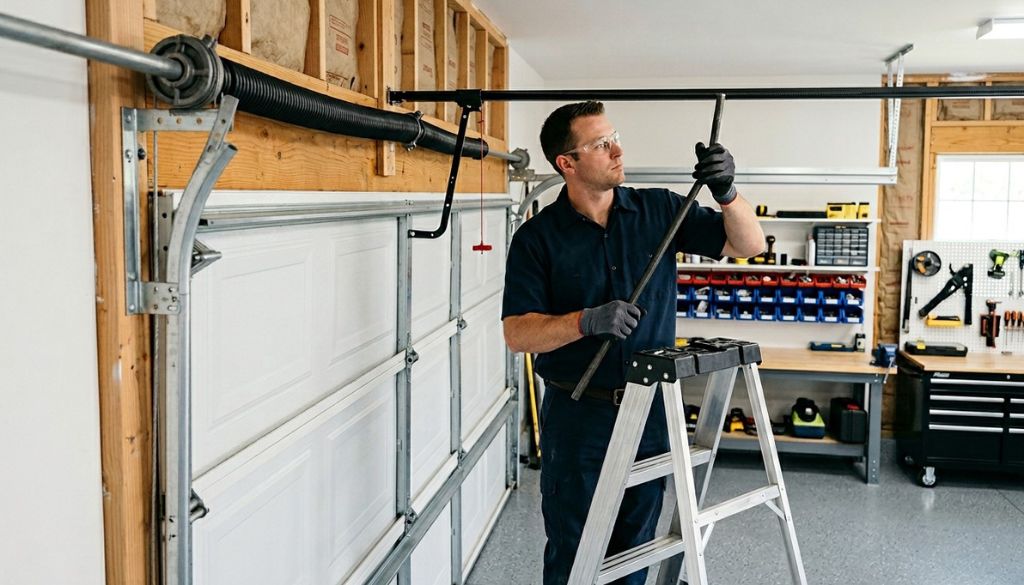
Garage door springs, including torsion springs and extension springs, store immense energy, rendering them high-risk components during repair. Handling spring tension requires specialised tools, knowledge, and strict safety protocols.
To safely adjust springs, a certified technician follows these precautions:
- Use a calibrated rewind mechanism and proper winding bars to control torsion spring tension without slipping.
- Securely mount safety cables through extension springs to contain any potential breakage.
- Inspect the pitman arm and its connection points as part of the drive system's safety, ensuring smooth operation and preventing binding.
- Avoid DIY attempts unless fully trained and equipped, given the risk of severe injury or property damage.
Professional spring adjustment protects users and ensures continued compliance with safety regulations.
How Do Automatic Safety Features Like Sensors and Emergency Stops Work?
Modern garage doors incorporate advanced safety features designed to prevent injury and property damage. The automatic reverse function utilises photoelectric sensors to detect obstructions in the door path, reversing movement immediately upon sensing a blockage.
Post-repair, sensor alignment is critical to maintain accurate detection capabilities. Testing safety switches ensures the control panel responds correctly to sensor input, stopping or reversing the door as needed.
Additionally, emergency stop features integrated into garage door openers allow users to halt door motion instantly during hazardous situations. Comprehensive control panel safety checks verify that these emergency functions and overall electronics operate reliably within compliance standards.
What Are the Best Practices for Replacing Hardware and Door Panels While Maintaining Compliance?
Replacing worn or damaged hardware and door panels requires careful selection and installation to preserve safety and performance.
Choose replacement parts that comply with manufacturer specifications and relevant standards, including weather seals that improve insulation and reduce noise without compromising operational efficiency.
Ensure all components are securely mounted using appropriate fasteners and brackets, preventing loosening or detachment during door operation. Proper mounting also maintains door balance and structural integrity.
After replacement, display clear user instructions and affix visible safety stickers to remind users of operating precautions and emergency procedures, reinforcing ongoing safety awareness.
What Additional Steps Can Improve Safety Beyond Standard Compliance?
Beyond meeting baseline regulations, several proactive measures can elevate garage door safety:
- Provide enhanced safety training for users covering manual override use and emergency release operations to empower safe responses during malfunctions.
- Perform frequent hazard identification rounds to spot emerging issues not caught during routine inspections.
- Use protective gloves and personal protective equipment (PPE) during repairs to minimise injury risk.
- Consider upgrading to modern electrical safety systems or commissioning professional rewiring to meet evolving standards and reduce fire hazards.
These extra steps foster a safer environment and further reduce accident potential.
How to Perform a Comprehensive Risk Assessment Before Repair
Conducting a thorough risk assessment prior to repair work involves systematic hazard identification, evaluating the likelihood and severity of potential incidents, and establishing mitigation strategies. Incorporating a detailed safety audit ensures all known and anticipated risks are addressed, enhancing accident prevention efforts throughout the repair process.
The Role of Load and Durability Testing in Predicting Garage Door Failures
Load testing and durability testing help assess the structural integrity and operational lifespan of garage door components, particularly springs, cables, and mechanical parts. These evaluations predict potential failure points, guiding timely replacements or reinforcements before safety is compromised.
Understanding Manufacturer Warranties and Their Impact on Safety Compliance
Manufacturer warranties often stipulate adherence to specific installation codes and regulatory guidelines as conditions for coverage validity. Non-compliance during repairs can void warranties, leaving homeowners liable for future issues. Understanding these terms ensures repair work aligns with required safety protocols and preserves warranty protections.
Frequently Asked Questions (FAQ)
What is the most common safety risk when repairing garage door springs?
Spring tension can cause serious injuries if handled incorrectly. It is strongly advised to hire a certified technician for spring repairs or adjustments to avoid accidents.
How often should a garage door undergo a safety inspection?
An annual inspection is recommended, alongside regular maintenance checks every few months focusing on critical components such as sensors, cables, and springs.
Can I perform sensor alignment myself after repair?
Basic sensor alignment can be done by homeowners following detailed manufacturer instructions; however, professional assistance is advisable to ensure full safety compliance.
Why is technician certification important for garage door repairs?
Certified technicians have specialised safety training that reduces the risk of accidents and ensures repairs meet stringent regulatory standards, providing safer outcomes.
What should I do if my garage door’s automatic reverse stops working?
Stop using the door immediately and call a certified technician to inspect and repair the sensor system to maintain safety compliance and prevent injuries.
Ensuring your garage door repair meets safety compliance involves understanding and applying key standards, conducting thorough inspections, hiring trained technicians, and maintaining diligent upkeep schedules. Following these practices protects your property, minimises liability, and safeguards your family or occupants. For complex repairs, especially those involving springs or electrical components, always rely on certified professionals who prioritise safety and regulatory compliance.